
January: The Month to Improve Home Insulation
Updated: Feb 16
Why Energy Costs Rise in January
January typically sees the highest energy consumption in many regions due to colder temperatures. Homes require more heating to maintain comfortable indoor temperatures, which drives up energy demand and costs. Utility companies often increase rates during peak usage periods, making January one of the most expensive months for energy bills.
Increased heating needs: Cold weather forces heating systems to run longer and harder.
Peak demand pricing: Utilities may charge higher rates during periods of high energy use.
Inefficient homes lose heat: Poor insulation causes heat to escape, requiring more energy to maintain warmth.
Understanding these factors highlights why January is a critical time to focus on reducing energy waste. If your heating bills spike or your home still feels cold even with the heat running nonstop, your insulation may be sending a clear message. Winter doesn’t create insulation problems; it reveals them.
When temperatures drop and your home is under constant demand to stay warm, insulation performance is put to the test. That’s why January is one of the most telling times of year to evaluate how well your home is really protected.
How Home Insulation Affects Energy Bills
Insulation acts as a barrier that slows heat transfer between the inside and outside of your home. Proper insulation keeps warm air inside during winter and cool air inside during summer. When insulation is lacking or damaged, your heating system must work harder, leading to higher energy consumption and costs.
Benefits of Good Insulation Include:
Lower heating bills: Less heat escapes, so your furnace or heat pump runs less.
Improved comfort: Rooms stay warmer, and drafts are minimized.
Reduced carbon footprint: Using less energy means fewer greenhouse gas emissions.
Increased home value: Energy-efficient homes are more attractive to buyers.
Homes with outdated or insufficient insulation can see energy savings of 10% to 50% after upgrading, depending on the home's size and current insulation levels.
What Rising January Heating Bills Are Really Telling You
During January, your home relies heavily on insulation to keep warm air inside and cold air out. If insulation is missing, aging, or improperly installed, heat escapes quickly—forcing your heating system to work overtime. Common reasons heating costs climb in January include:
Heat loss through under-insulated attics.
Cold air infiltration from unsealed gaps and cracks.
Poor insulation in crawlspaces and rim joists.
Older insulation that has settled, deteriorated, or absorbed moisture.
These issues can remain hidden during milder months, but January’s cold makes them impossible to ignore.
Cold Floors and Drafts Are Red Flags
High heating bills are rarely the only symptom. Many homeowners also notice comfort issues such as:
Cold floors, especially on the first level.
Drafts near baseboards, outlets, and exterior walls.
Rooms that never seem to warm up.
Uneven temperatures between floors.
These problems often point to insulation gaps or air leaks—not a failing heating system. In fact, many HVAC systems are doing exactly what they’re supposed to do, but losing the battle against escaping heat.
The Biggest Heat Loss Areas Exposed in Winter
Based on winter inspections, the most common problem areas tend to be:
Attics: Since heat rises, inadequate attic insulation allows warmth to escape rapidly.
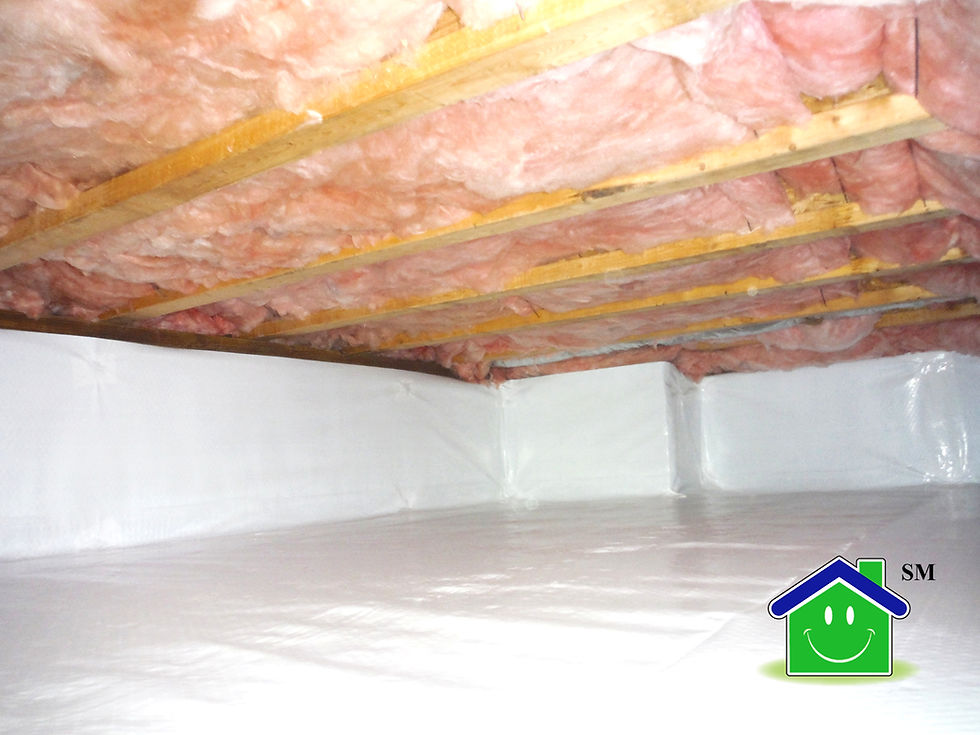
Crawlspaces: Cold air infiltration below the home leads to chilly floors and increased energy use.
Rim joists: Small gaps in this area can create major drafts.
Wall cavities: Especially in older homes with outdated or minimal insulation.
Addressing these areas can dramatically improve comfort and reduce heating costs—not just in January, but year-round.
Why Insulation Improvements Matter More in January
Winter is when insulation upgrades make an immediate, noticeable impact. Once problem areas are addressed, homeowners often experience:
Fewer drafts.
More consistent indoor temperatures.
Reduced heating system run time.
Lower monthly energy bills.
Because your home is actively losing heat in January, improvements don’t take months to feel—you’ll notice the difference right away.
Focus on Key Areas
Attic: Heat rises, so attic insulation is crucial.
Walls: Insulating exterior walls reduces heat loss.
Floors and basements: Prevent cold air from seeping in.
Windows and doors: Seal gaps with weatherstripping or caulk.
Choose the Right Insulation Material
Fiberglass batts are common and cost-effective for floors and attic spaces.
Spray foam offers superior air sealing for interior walls and open pipe chases.
Cellulose is eco-friendly and good for irregular spaces, such as attics.
January Is a Wake-Up Call—and an Opportunity
If your January heating bills are higher than expected or your home feels uncomfortable, insulation may be the missing piece. A professional insulation evaluation can identify exactly where heat is escaping and what solutions will deliver the greatest return.
January isn’t just the coldest month of the year—it’s the clearest indicator of how well your home is insulated. Addressing issues now means a warmer, more comfortable home for the rest of winter and improved efficiency in every season that follows.
Additional Tips to Complement Insulation
Improving insulation is one part of reducing energy costs. Combine it with these actions for better results:
Use programmable thermostats to lower heating when away or asleep.
Close curtains at night to keep heat inside.
Maintain heating systems for efficiency.
Seal air leaks around windows, doors, and vents.
Looking Ahead: Long-Term Benefits of January Insulation Upgrades
Investing in insulation during January not only saves money immediately but also prepares your home for future energy challenges. As energy prices continue to rise, a well-insulated home will protect you from volatility and reduce your environmental impact.
Energy savings add up: Over years, insulation pays for itself.
Increased home comfort: Enjoy consistent temperatures year-round.
Environmental responsibility: Lower energy use means less pollution.
Taking action in January sets a strong foundation for energy efficiency throughout the year.

Schedule Your Home Insulation Inspection Today with a Qualified Pro!
The links below will guide you to schedule an appointment based on the specific Jersey Shore areas we service. Please select the county where your property is located. For additional service areas limited by region, click the blue button below:


Comments